Cycle
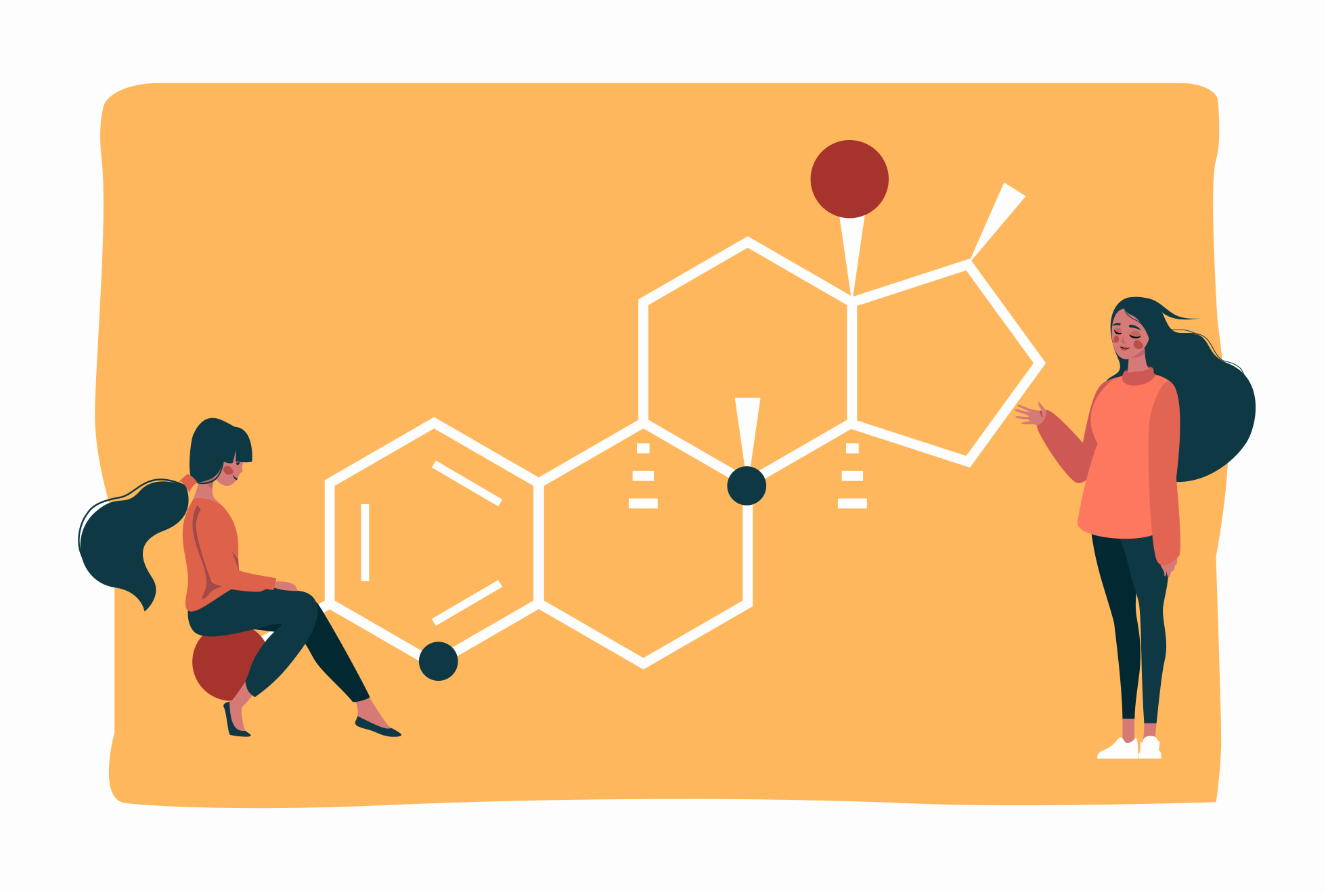
Reproductive-age women experience a menstrual cycle roughly every month. This cyclical process is connected to all the other systems that keep our bodies running and support our capacity for reproduction. The menstrual cycle is sensitive to the other changes that occur in our lives—environmental, emotional, or other.
Cycle
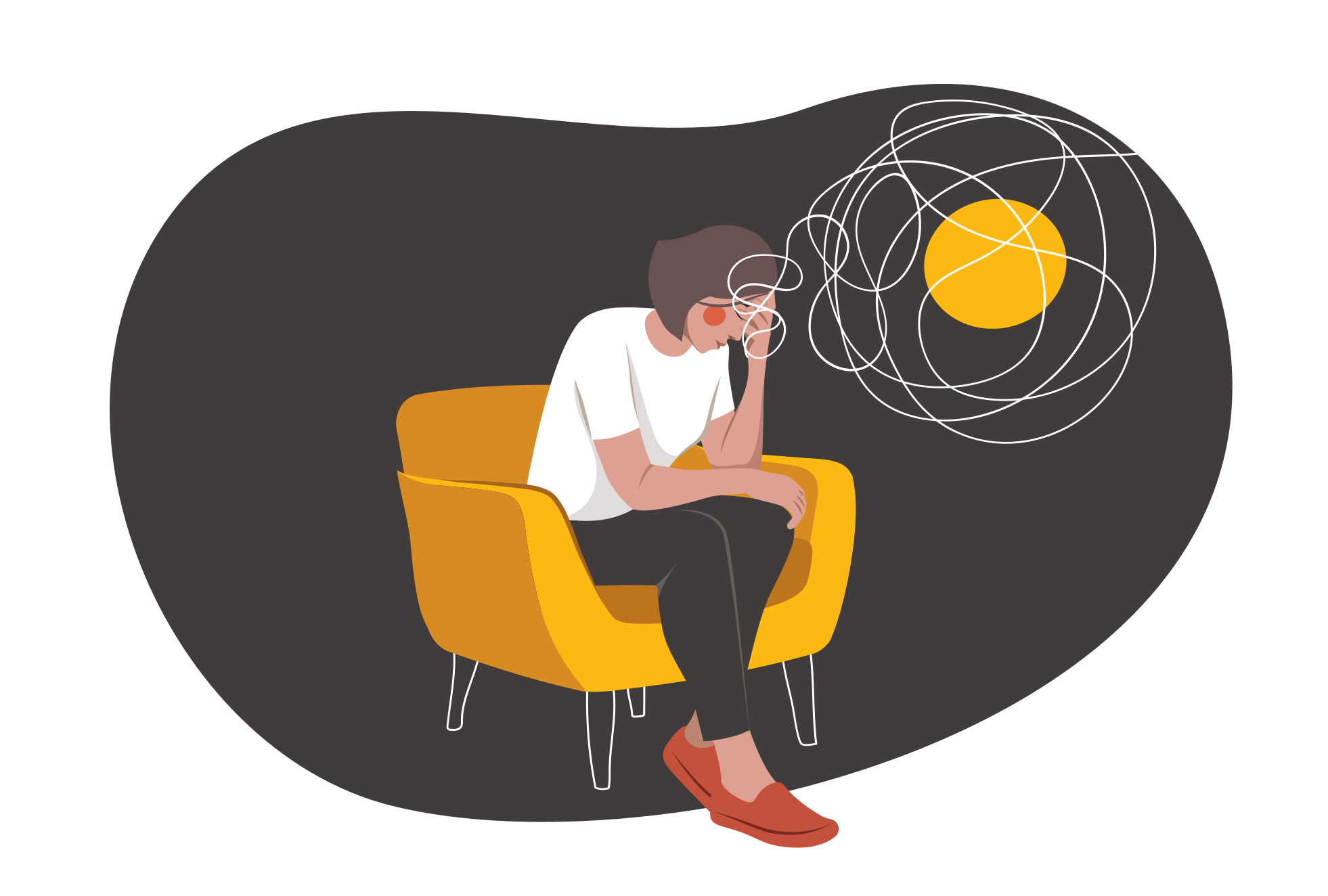
As hormone levels begin to drop after ovulation, most women experience some changes in their physical and mental state such as tender breasts, bloating, or moodiness. Such symptoms are often linked with Premenstrual Syndrome, or PMS. For those of us who suffer from Premenstrual Dysphoric Disorder, or PDD, the symptoms—especially those having to do with emotions—are noticeably more severe.
Cycle
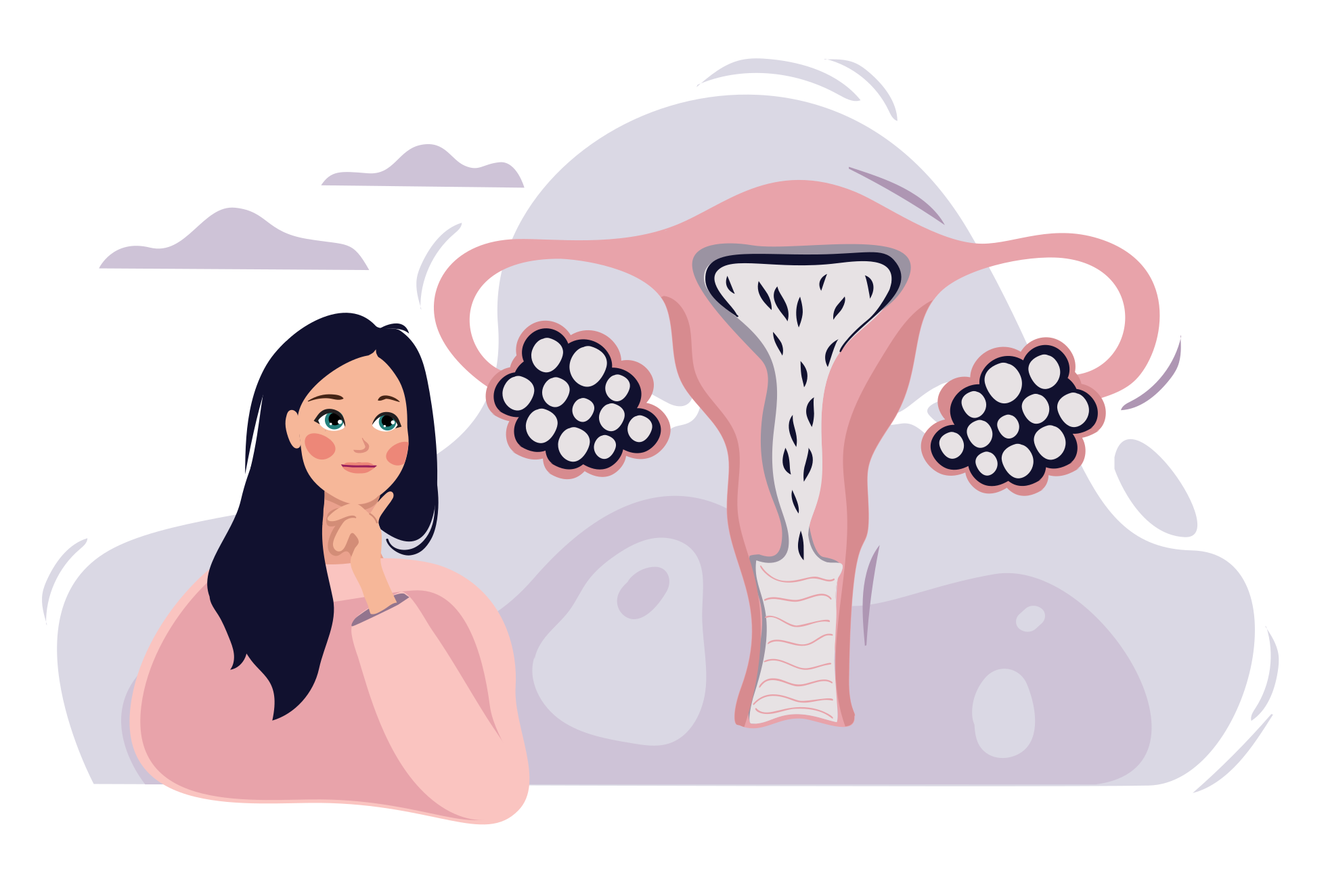
Polycystic ovary syndrome (PCOS) is a group of symptoms, or “syndrome”, that affects the ovaries and ovulation. It is common in women of reproductive age. Women with PCOS produce higher-than-normal levels of androgens (male hormones). This hormone imbalance disturbs the menstrual cycle—infrequent or prolonged periods; and the ovaries may develop numerous follicles (small sacs of fluid that produce hormones and influence fertility) and fail to release eggs regularly, which makes it difficult to get pregnant. An accurate and early diagnosis makes it easier to get the proper treatment to manage symptoms.